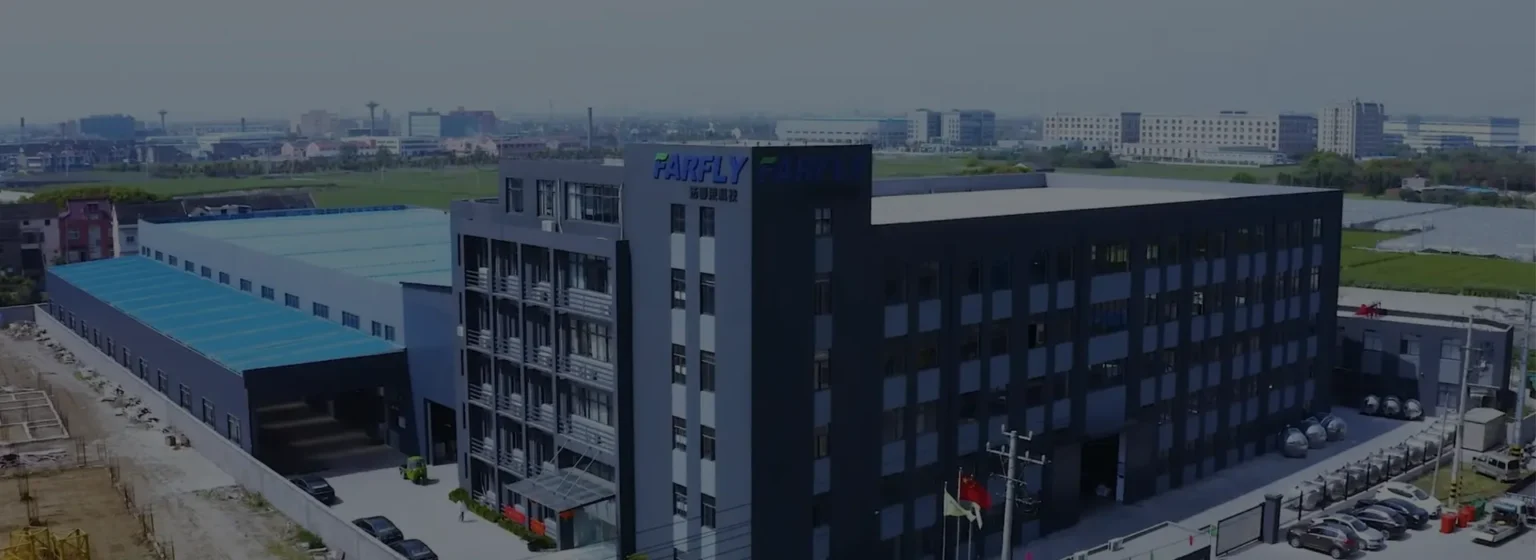
Adhesive & Sealant Filling Machine Manufacturer
FARFLY provides automatic and semi-automatic filling equipment for adhesives, silicone sealants, pastes, greases and other viscous materials. Filling systems can be selected according to material behavior, packaging format, required output and the level of production automation.
Filling Equipment for Different Packaging Requirements
FARFLY filling systems cover hard cartridge filling and flexible packaging for adhesives, sealants and other viscous formulations.
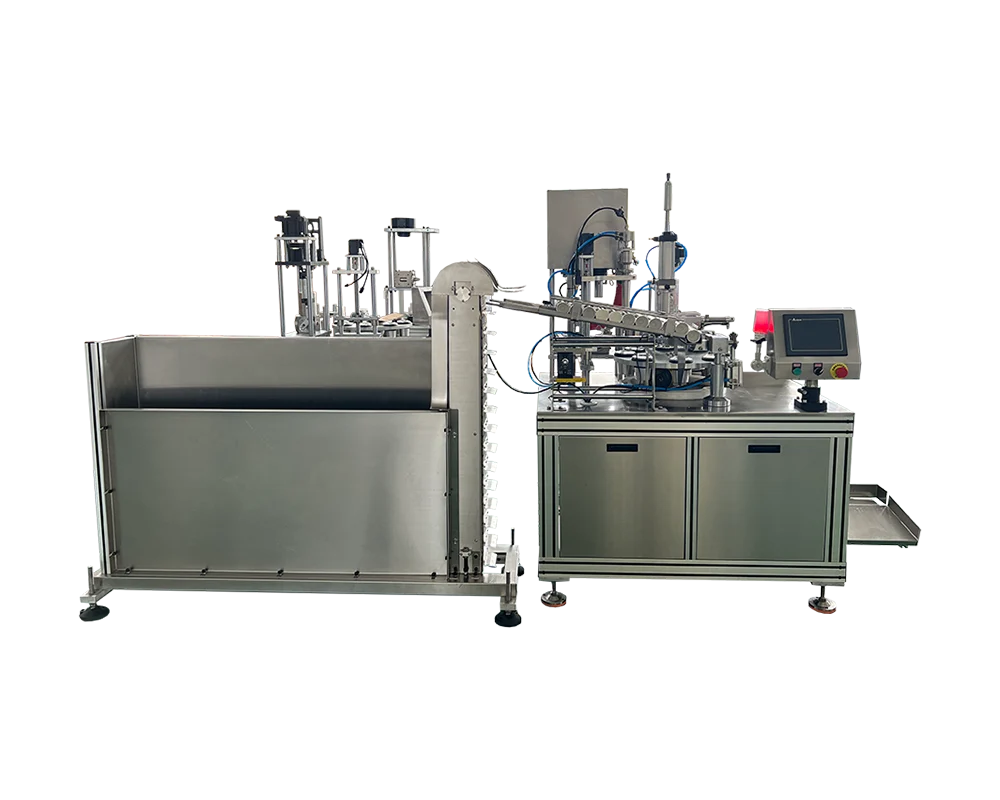
FAG Fully Automatic Double-Head Vertical Filling Machine
Automated quantitative filling solution for high-viscosity materials requiring continuous cartridge feeding, filling and capping.
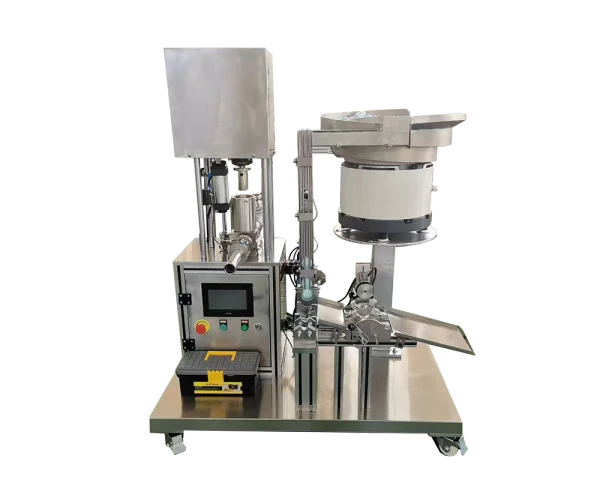
FBG Semi-Automatic Horizontal Hard Tube Filling Machine
Flexible filling equipment for small to medium production runs where accurate cartridge filling and straightforward operation are required.
Choose a Filling Machine by Packaging Format
The container format is one of the most practical starting points when selecting adhesive and sealant filling equipment.
| Packaging Requirement | Recommended Equipment | Typical Materials | Main Consideration |
|---|---|---|---|
| Automatic Hard Cartridge Filling | FAG Automatic Filling Machine | Silicone sealant, structural adhesive, paste | Continuous production and automated handling |
| Semi-Automatic Hard Cartridge Filling | FBG Semi-Automatic Filling Machine | Adhesives and semi-fluid formulations | Flexible output and simple operation |
| Flexible Film Packaging | FRG Soft Packaging Machine | Sealants, pastes and greases | Film compatibility and quantitative filling |
| Very High-Viscosity Material | Filling Machine + Hydraulic Discharge | Dense sealants and pastes | Stable material feeding before filling |
Filling High-Viscosity Adhesives & Sealants
Different formulations behave differently during transfer and filling. Equipment selection should consider the actual viscosity and rheology of the formulation rather than the product name alone.
Silicone Sealant
High viscosity and limited natural flow may require controlled pressure feeding before quantitative filling.
Structural Adhesive
Stable material transfer and repeatable filling help support consistent cartridge production.
Polyurethane Adhesive
Filling configuration should reflect formulation viscosity, packaging format and required production output.
Acrylic Adhesive
Cartridge filling can be configured according to material flow and the required level of automation.
Industrial Paste
Dense paste-like formulations may require assisted material discharge and controlled transfer.
Grease
Quantitative filling and packaging selection should account for product consistency and target filling volume.
Configure the Filling System Around Your Production
Reliable filling requires coordination between material feeding, quantitative dosing, container handling and downstream closing.
Material Transfer
The feeding method should be matched to material viscosity and the way the finished batch leaves the mixer.
Quantitative Filling
Controlled metering supports consistent product volume during repeated production cycles.
PLC & Servo Control
Automated control supports coordinated filling, container handling and repeatable machine operation.
Cartridge Handling
Tube feeding and positioning should match the cartridge specification and required production speed.
Capping & Sealing
Downstream closing should be coordinated with the package format to maintain continuous production.
Hydraulic Discharge
Highly viscous materials can be transferred from the mixing vessel using assisted discharge before filling.
From Mixing to Finished Filling
FARFLY filling equipment can be considered as part of the complete adhesive production process rather than as an isolated packaging machine.
Mixing
Prepare the formulation under the required mixing conditions.
Vacuum Processing
Reduce trapped air when required by the formulation.
Discharge
Transfer viscous material from the mixing vessel.
Quantitative Filling
Meter material into the selected package format.
Capping / Sealing
Close the package according to the container design.
Finished Product
Move filled units to downstream packing operations.
Connect Filling With the Complete Adhesive Process
Filling equipment should work with the upstream mixer, discharge method and downstream packaging requirements. FARFLY approaches equipment selection from the complete production process.
Material-Based Selection
Equipment selection considers viscosity, material behavior and actual filling requirements.
Different Automation Levels
Semi-automatic and automatic configurations can support different production requirements.
Upstream Equipment Integration
Filling can be planned together with mixing, vacuum processing, discharge and material transfer.
Production Line Planning
Equipment layout can be considered around the complete adhesive and sealant manufacturing process.
Adhesive & Sealant Filling Machine FAQ
Common questions when selecting industrial filling equipment for adhesives, sealants and other viscous materials.