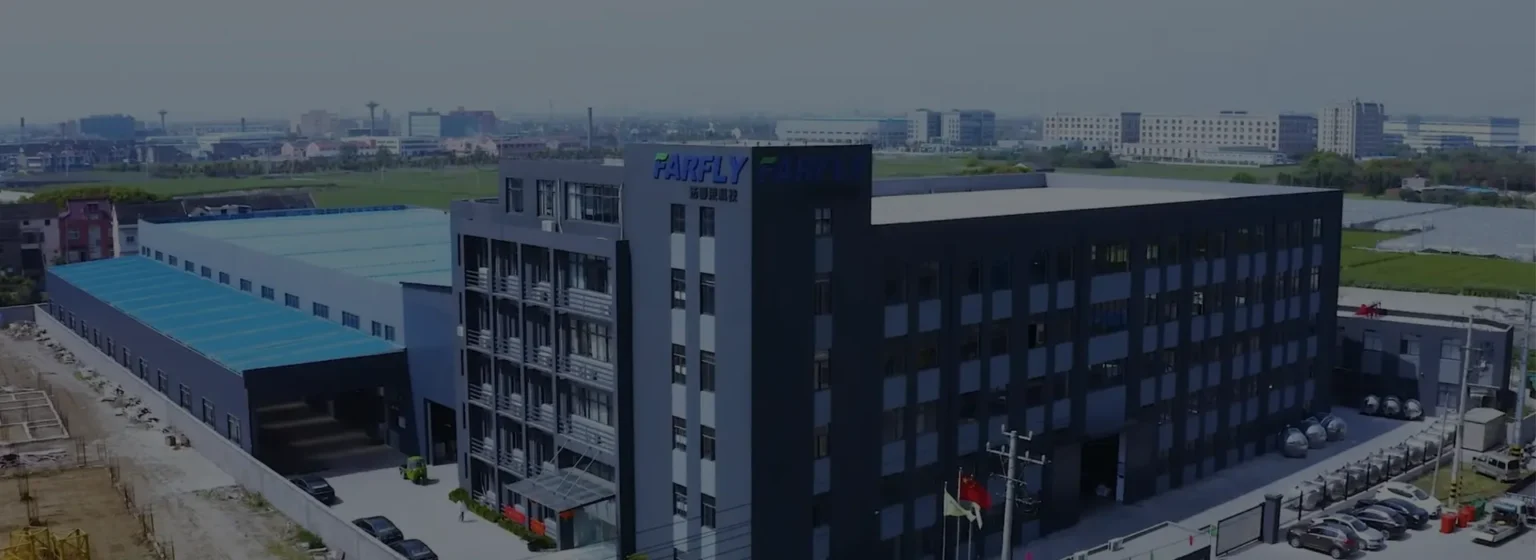
High Viscosity Mixer Manufacturer
FARFLY manufactures high viscosity mixing equipment for adhesives, sealants, coatings, resins, electronic pastes and other demanding formulations. Our mixer range includes double shaft, planetary, double planetary and dispersing systems for different material viscosities and production processes.
Mixing Equipment for Different High Viscosity Processes
High viscosity materials do not all require the same mixing mechanism. A coating that requires strong pigment dispersion has different processing demands from a silicone sealant, structural adhesive or dense electronic paste.
Mixer selection should therefore consider how the material moves inside the vessel, whether powders or fillers need to be dispersed, whether the batch requires vacuum processing, and how the final material will be discharged.
FARFLY provides different industrial mixer configurations for blending, dispersion, kneading, vacuum processing and other high viscosity production requirements.
Key Factors When Selecting a Mixer
High Viscosity Mixers & Processing Equipment
FARFLY provides industrial mixing equipment for adhesives, sealants, coatings, resins and other high-viscosity materials. Different mixer configurations are available according to material viscosity, dispersion requirements, batch capacity and the required production process.
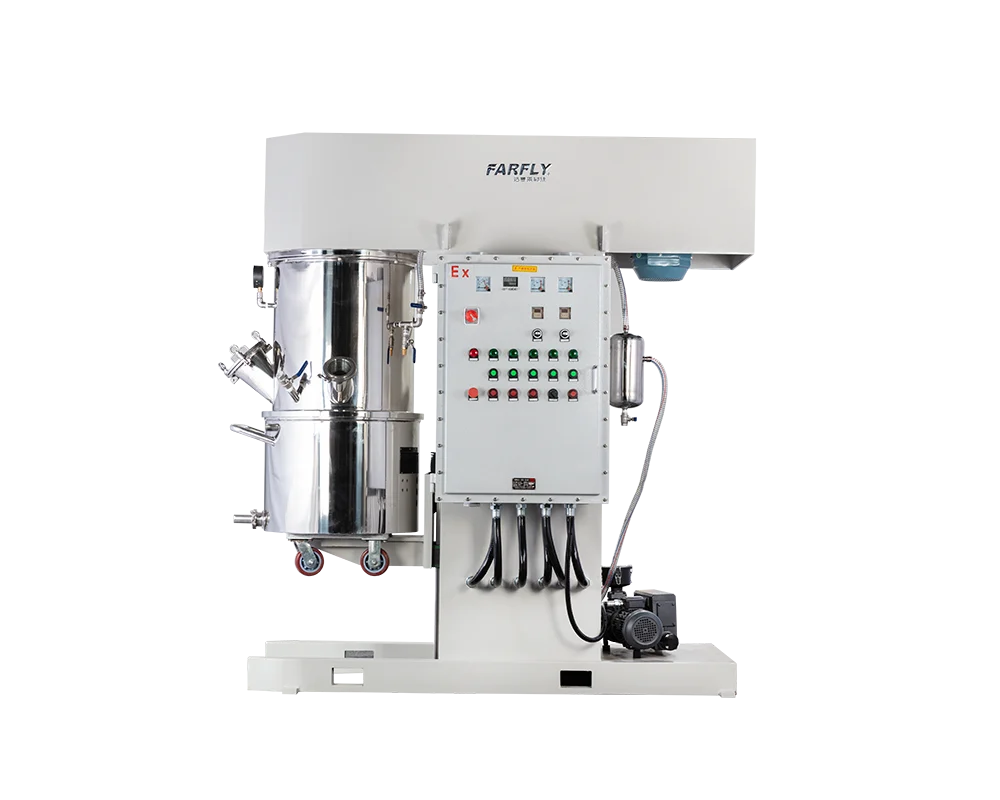
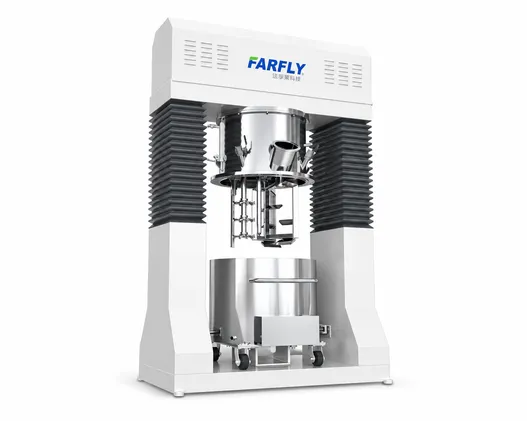
Choose a Mixer Based on Your Material
Material behavior should guide equipment selection. The table below provides a practical starting point for common adhesive, sealant and high viscosity processing applications.
| Material / Process | Recommended Mixer | Main Consideration |
|---|---|---|
| Silicone Sealant | Double Planetary Mixer | Very high viscosity, kneading and vacuum processing |
| Epoxy Adhesive | Planetary / Double Planetary | Mixing uniformity and filler incorporation |
| PU Adhesive | Double Shaft / Planetary Mixer | Stable circulation and controlled processing |
| Acrylic Adhesive | Double Shaft Mixer | Mixing and dispersion efficiency |
| Coatings & Inks | Double Shaft / Dispersing Machine | Pigment and powder dispersion |
| Electronic Paste | Double Planetary Mixer | High viscosity and uniform material distribution |
| Resin Compound | Planetary Mixer | Batch consistency and material turnover |
Final equipment selection should be based on the actual formulation, viscosity range, material density, solids content, batch volume and required process conditions.
Double Shaft vs Planetary vs Double Planetary Mixer
These three mixer configurations are designed around different material behaviors and processing targets. Choosing between them requires more than simply comparing motor power or vessel volume.
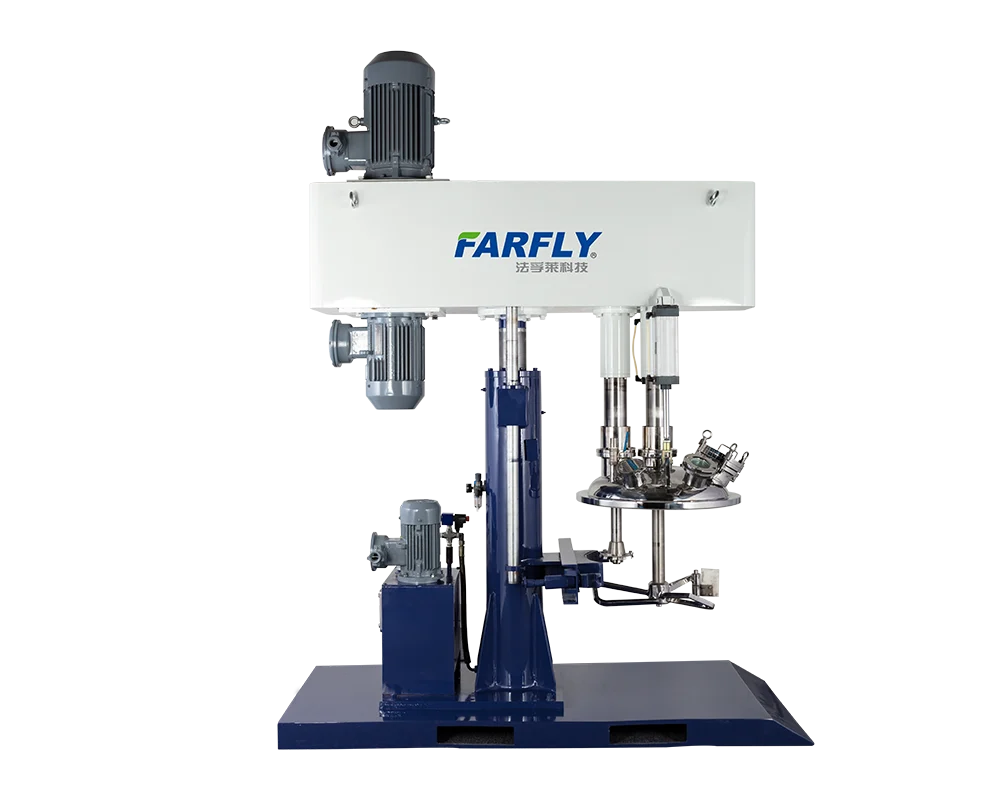
Double Shaft Mixer
Suitable when the formulation requires bulk circulation together with higher-speed dispersion.
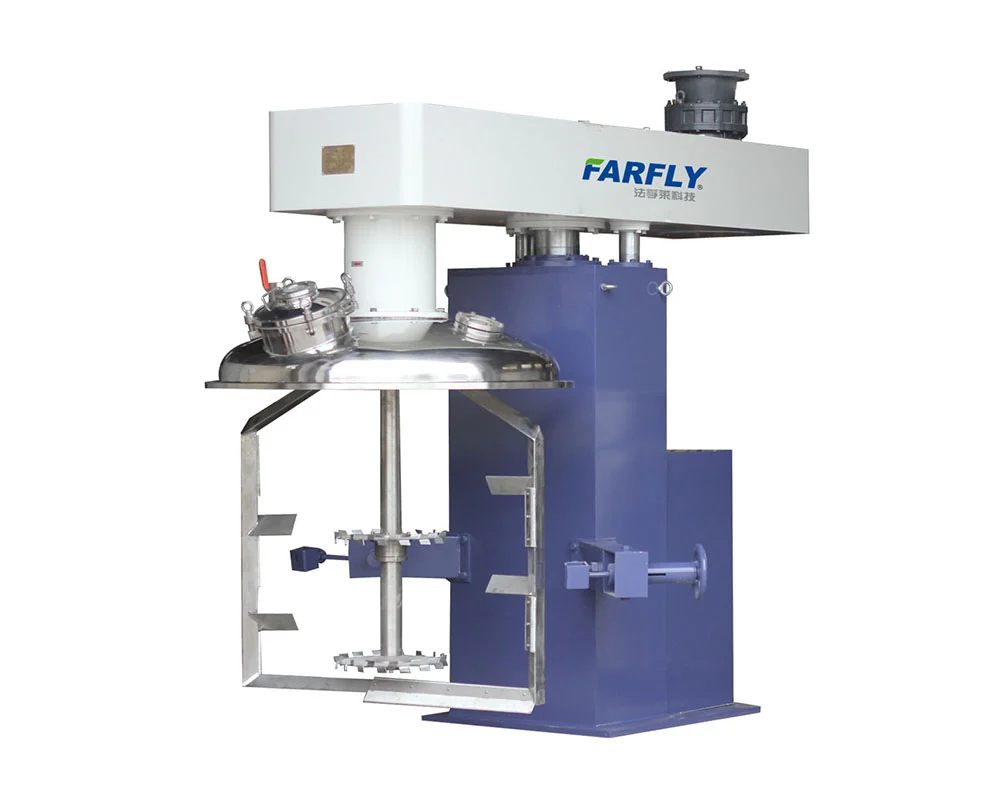
Planetary Mixer
Planetary movement promotes material turnover throughout the vessel for consistent high viscosity batch mixing.
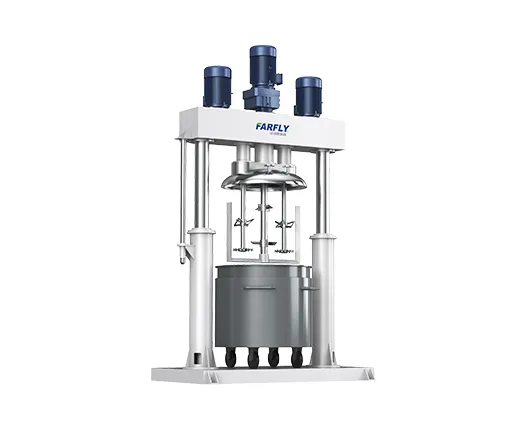
Double Planetary Mixer
Designed for highly viscous materials that require intensive kneading and strong material turnover.
Mixers for Adhesives & Sealants
Adhesive formulations vary significantly in viscosity, filler content, shear requirement and processing conditions. Mixer selection should reflect the specific formulation rather than the adhesive category alone.
View Adhesive Production Solutions →Silicone Sealant
High viscosity silicone formulations may require intensive material turnover, filler incorporation, vacuum degassing and assisted discharge after mixing.
Epoxy Adhesive
Selection should consider filler loading, batch uniformity, temperature control and whether vacuum processing is required.
Polyurethane Adhesive
Controlled mixing conditions and consistent material circulation can help maintain repeatable processing for different PU formulations.
Acrylic Adhesive
Double shaft configurations can support applications requiring both bulk material mixing and efficient dispersion of formulation components.
Electronic Paste
Dense formulations require effective material turnover and uniform distribution of powders or solids throughout the batch.
How to Select a High Viscosity Mixer
The correct industrial mixer depends on what must happen inside the vessel. Start with material behavior and process targets rather than selecting equipment only by vessel size.
Define Material Viscosity
Determine the operating viscosity range and whether viscosity changes during powder addition, temperature change or reaction.
Confirm Batch Capacity
Consider working volume, material density and required production output together rather than nominal vessel capacity alone.
Identify the Mixing Objective
Determine whether the process requires blending, dispersion, kneading, homogenization or several actions in the same production stage.
Evaluate Vacuum Requirements
Adhesives and sealants may trap air during processing. Vacuum mixing can be considered where bubbles affect downstream filling or final product performance.
Determine Temperature Control
Confirm whether the formulation requires heating, cooling or controlled temperature during the mixing process.
Plan the Discharge Method
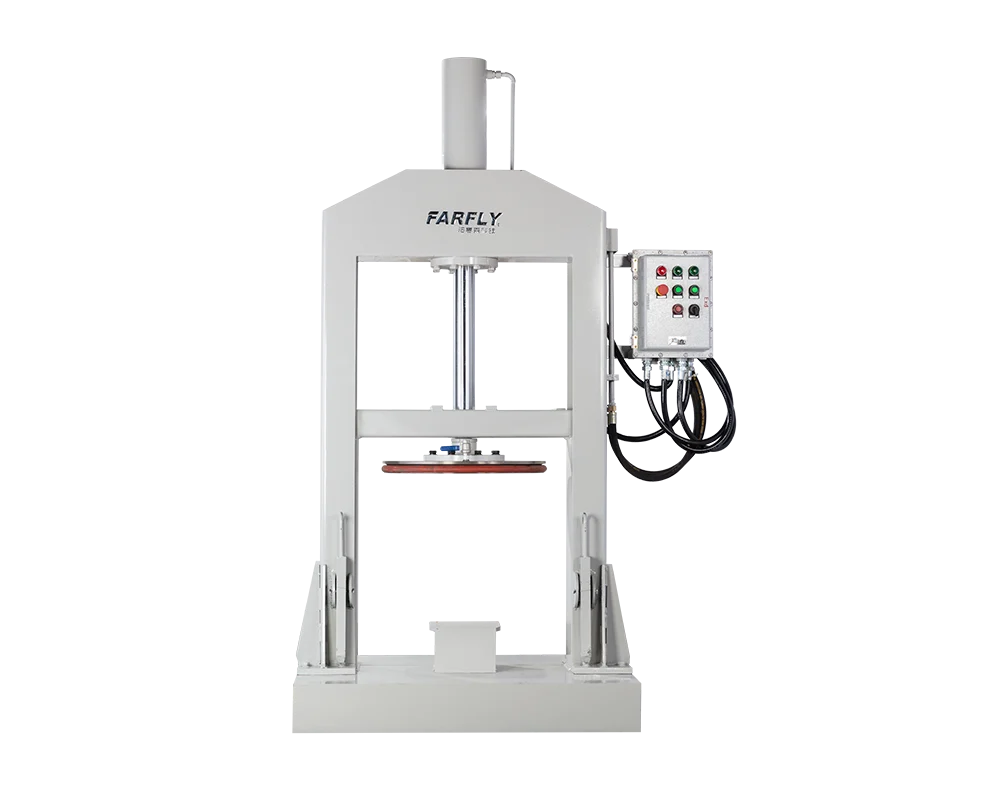
Highly viscous products may require hydraulic discharge or assisted material transfer before downstream filling.
High Viscosity Mixer FAQ
Common questions when comparing industrial mixing equipment for adhesives, sealants, resins and other viscous materials.
What is a high viscosity mixer?
A high viscosity mixer is industrial mixing equipment designed for materials that are difficult to circulate with conventional low-viscosity agitation. Typical applications include adhesives, sealants, resins, putties and industrial pastes.
What mixer is best for high viscosity materials?
The correct mixer depends on viscosity, material characteristics, solids content, batch size and the required process. Double shaft mixers are useful when mixing and dispersion are required together, while planetary and double planetary mixers are commonly used for higher-viscosity materials.
What is the difference between a planetary mixer and a double planetary mixer?
Both use planetary movement to promote material turnover. Double planetary mixers are generally used where more intensive mixing and kneading are required, especially for highly viscous formulations with limited natural flow.
Can a high viscosity mixer operate under vacuum?
Yes. Vacuum mixing can be used where trapped air or bubbles need to be reduced during processing. This is common in adhesives, sealants and electronic materials.
Which mixer is suitable for silicone sealant?
Double planetary mixers are commonly considered for high-viscosity silicone sealants because they support strong material turnover and kneading. Final equipment selection should still consider viscosity, filler loading, batch capacity and processing requirements.
Can one mixer perform both mixing and dispersion?
Yes. Double shaft and multi-shaft configurations can combine lower-speed bulk mixing with a high-speed dispersing unit. This is useful when powders, pigments or fillers need to be dispersed while the main agitator maintains material circulation.
How do I choose the correct mixer capacity?
Mixer capacity should be evaluated using working volume, batch output, material density, viscosity and the space required for effective material movement. Nominal vessel volume alone is not sufficient.
Can the mixer include heating, cooling and vacuum systems?
These functions can be configured according to the production process. Jacketed vessels can support heating or cooling, while vacuum systems can support sealed processing and air removal where required.
Can FARFLY provide equipment for a complete adhesive production process?
Mixing equipment can be configured together with dispersion, vacuum processing, material transfer, hydraulic discharge and filling equipment according to the required adhesive production workflow.